The Buzzer Doesn’t Lie — But Your Wrist Might: Fair Play in Haptic VR
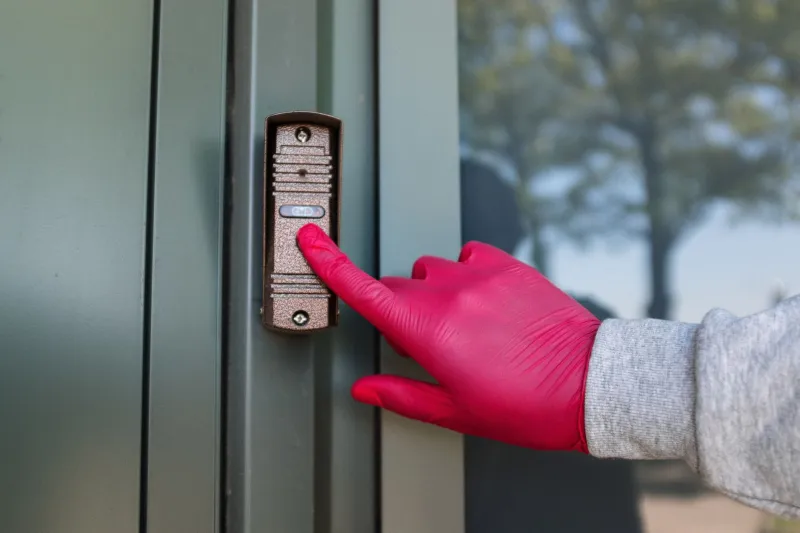
There is a particular sound in a British pub quiz: the clack of a plastic buzzer, followed by the quizmaster’s eyebrow. Someone has pressed first. Someone else is already saying they pressed first. The room chooses a side. It is a small, deeply social piece of technology, and it works because everyone agrees on one thing — the first press is sacred.
That agreement is doing more work than the buzzer itself. The device is cheap, the wiring is simple, and the rules are usually written on a laminated sheet. But the whole ritual depends on a shared belief that the machine knows who was first, and that it will not flatter, lag or lie. In VR, haptic feedback is trying to earn that same kind of trust. It is harder than it looks.
The Sacred First Press
Pub quiz culture treats the first press as an almost legal fact. “Fingers on buzzers” is not just a cue; it is a contract. Once the question starts, everyone enters the same race, and the buzzer is supposed to be the impartial witness. Nobody wants a quizmaster who waits a beat and then picks a favourite. Nobody wants a buzzer that buzzes late and then insists it was early.
That is why arguments at quiz night are rarely about the answer. They are about the moment of contact. Did the light come on? Did the sound happen? Did the quizmaster see it? The physical buzz is a confirmation signal, and confirmation signals are only useful if they feel immediate and even-handed. A delay does not just slow things down; it changes who feels robbed.
VR competitive experiences have the same emotional geometry. A player reaches for a virtual button, fires a weapon, grabs a flag, or taps in for a turn. The headset shows something. The controller vibrates. The system says yes. If that yes arrives a fraction late, the player does not experience it as a technical hiccup. They experience it as a decision.
Why Milliseconds Become Morals
Haptic latency is usually discussed as a comfort or realism issue. In competitive play, it becomes a fairness issue. Human perception is sensitive to short delays in touch and sound, and even small inconsistencies can break the link between what a player did and what the system acknowledges. The exact threshold depends on the task, the hardware and the person, but the principle is simple: confirmation should arrive close enough to the action that the brain files them together.
When it does not, trust starts to erode. A player who presses first and feels the buzz second will swear the game cheated. A player who feels a buzz before the visual changes may think they have been given an advantage. In a pub quiz, that is a lively row and another round. In a VR league, it is a support ticket and a reputation problem.
This is where the pub quiz gets interesting. The buzzer is not perfectly fair in an absolute sense. It has wiring, switches and a human quizmaster. But it is socially legible. Everyone can see the light, hear the sound and watch the same moment. The fairness is not only in the electronics; it is in the shared evidence. VR haptics often lack that shared evidence. The vibration happens inside one person’s hand. If the timing feels off, nobody else can see it.
What the Quizmaster Knows
A good quizmaster does not just read the buzzer. They manage the room. They set the rule before the question, they watch the lights, and they explain the call when it is close. That is not bureaucracy. It is how a competitive ritual stays enjoyable when the technology is imperfect.
VR designers can borrow that attitude. First, make the rule visible before the race begins. If haptic confirmation is part of turn-taking, tell players what it means and when it should happen. Second, give the system a clear order of events. A local press, a network message and a haptic pulse should not arrive as three unrelated surprises. Third, design for the close call. The most important moment in any competitive system is the one where two players believe they were first. If the design has no answer for that, it has no answer for trust.
There is also a lesson about feedback consistency. A pub quiz buzzer always sounds like a pub quiz buzzer. It does not sometimes chirp, sometimes glow and sometimes stay silent. VR haptics should be just as predictable. The same action should produce the same confirmation at the same perceived moment, whether the player is on a high-end headset or a more modest setup. Variation is fine for decoration. It is poison for adjudication.
Designing a Fairer Buzz
None of this requires exotic hardware. It requires designers to treat haptic confirmation as part of the rules, not as a finishing touch. Timestamp the input. Keep the local feedback close to the action. Be honest about network delay. Use visual and audio cues alongside touch so the confirmation is not trapped inside one sensory channel. And when the system cannot be certain, say so rather than pretending the vibration is a verdict.
Accessibility matters here too. Some players will not feel a subtle pulse. Some will feel it differently. A fair competitive experience should not rely on one narrow channel of confirmation. The buzzer in a pub works because it gives everyone the same light and sound, not because every hand is identical. VR can learn from that by making haptic feedback part of a wider, shared signal.
The humble pub quiz buzzer is not a sophisticated piece of kit. That is exactly why it is useful. It reminds us that fairness is not only a matter of accurate timing. It is a matter of whether people believe the timing is accurate. In VR, a wrist buzz can feel like a referee or a cheat, depending on a few milliseconds and a lot of design care. The first press should be sacred there too — and the system should make that sanctity feel instant, consistent and just.