Hands On, Heads Off: The High Street VR Arcade Needs a Haptic Reboot
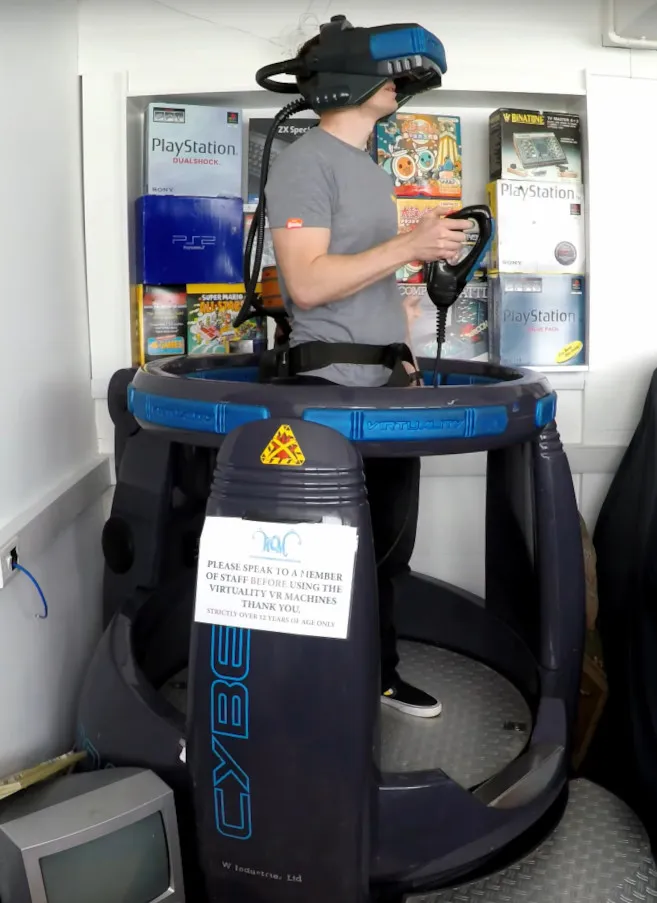
Photo: ctrl-alt-rees YouTube Channel (used with permission), CC BY-SA 4.0, via Wikimedia Commons
The UK high street in 2026 is still full of empty units, temporary pop-ups and landlords hoping for something that brings people back into town centres. Location-based VR arcades look like part of the answer. They offer an experience you cannot get at home, they are social by default, and they give people a reason to leave the house. But too many venues are still chasing the wrong competition. They are trying to beat the home headset on graphics, resolution and convenience. That is a fight they will lose.
At Touch Immersion, we would argue that the high street VR arcade needs a second act built around hands, not headsets. The headset is the entry ticket. The reason people will come back is the part that feels physical, social and slightly impossible to replicate in a living room.
The graphics arms race is already lost
Standalone headsets have improved dramatically. A home user can now get a sharp, comfortable VR experience for less than the cost of a few arcade sessions. The library of games is deep, the setup is simple, and nobody has to drive into town and queue behind a hen party. If your venue's pitch is 'better graphics than your living room', you are selling a difference that shrinks every year.
Arcades need to sell a different kind of difference. That means spatial design, group dynamics and physical feedback. It means the moment when four friends are genuinely working together in a room, not just chatting over a headset. It means the thump of a haptic vest when something explodes, the resistance of a prop in your hands, the blast of air on your face, the floor that shakes under your feet. Those things are hard to put in a box and ship home.
What successful UK venues get right
The best UK immersive venues understand this already. Otherworld in London built its reputation on a mix of private VR rooms and a social space that feels like a night out rather than a computer lab. MeetspaceVR and DNA VR have built repeat business by focusing on group sessions, clear formats and staff who guide rather than just supervise. These venues are not selling technology. They are selling a shared experience with a beginning, a middle and a story to tell afterwards.
The lesson is simple: design for groups of four to six, not for a solo player on a demo stand. Give people roles. Give them reasons to talk to each other. Give them a physical space that feels designed, not rented. The headset should disappear into the experience, just as the cinema screen disappears when the film is good.
The gimmick trap
There is a lot of bad haptic technology in the location-based entertainment market. Haptic vests that thump like a phone left on a table. Gloves that make your hands sweat and make every object feel vaguely fuzzy. Force-feedback chairs that cost more than a small car and break down on a busy Saturday. These products are often sold as the future of immersion, but they are really just novelty generators. They impress for a minute and then become a maintenance problem.
Good touch design is not about strapping more motors to people. It is about choosing the right physical cue for the moment. A simple fan can do more for a scene on a cliff edge than a dozen actuators. A weighted prop can make a virtual object feel real. A well-timed vibration in a controller can be more convincing than a full-body suit if it lands at the right moment in the story.
A practical blueprint for high-street VR in 2026
-
Design the room before the headset. Think about sightlines, social space, queuing, photos and the moment before and after the game. The room is part of the product.
-
Make touch legible. Use haptics to support actions, not to decorate them. If a player picks up a virtual tool, give them a physical handle or a controller that suggests its weight. If they open a virtual door, let the resistance feel deliberate.
-
Use passive haptics where you can. Props, walls, floors and airflow are cheaper and more reliable than wearable exoskeletons. A physical table in the right place can anchor an entire virtual scene.
-
Build for repeat visits. Short sessions, seasonal content, leaderboards, group challenges and membership pricing all matter more than a one-off spectacle. A high street venue needs locals to come back, not just tourists to come once.
-
Staff the experience. A game master who can read a group and adjust the pace is worth more than another layer of graphical polish. Train staff to host, not just to reset headsets.
-
Take accessibility seriously. Offer seated options, subtitles, clear sensory warnings and adjustable difficulty. A venue that only works for confident players is leaving money on the table.
-
Design for hygiene and throughput. Shared headsets and controllers need a cleaning routine that fits the session length. If the tech slows down turnover, the business model breaks.
-
Avoid tech for tech's sake. Every haptic device should answer a simple question: what does this add to the player's experience that a cheaper, simpler cue could not?
The repeat-visit test
The high street VR arcade of 2026 does not need to feel like a science fiction film. It needs to feel like a good night out with friends, with a physical edge that a home headset cannot match. That means fewer gimmicks, more thoughtful touch design and a relentless focus on the group experience. The venues that pass the repeat-visit test will be the ones that understand a simple truth: people come for the headset, but they come back for the hands, the laughter and the room.