Seats That Flinch: What UK Theatre Gets Right About Haptic Storytelling
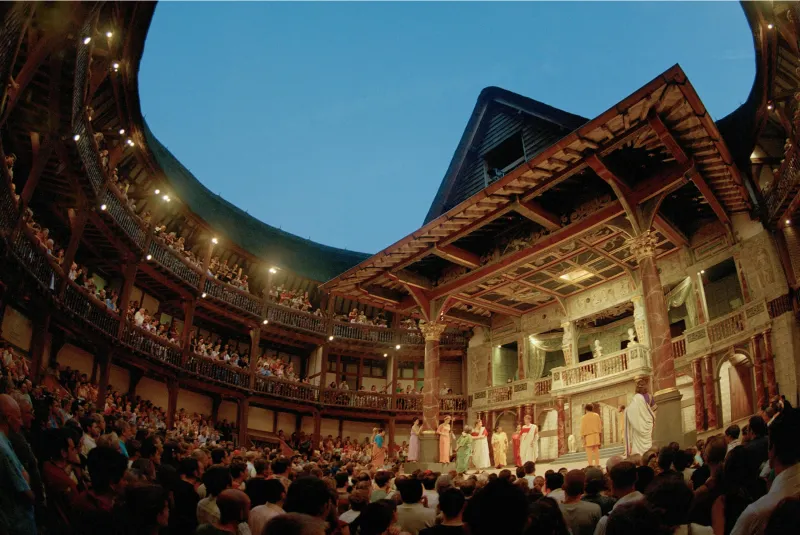
Photo: theatre audience haptic seats immersive UK performance, via atarnotes.com
At a regional playhouse in the north of England, the seats begin to tremble a few seconds before the storm scene. It is not a fairground shake. It is a low, brief rumble that moves through the row and then stops. The audience notices. Some laugh. Then the lights change, the actors raise their voices, and the vibration is already part of the story. That small moment is a better lesson in haptic design than most VR demos manage in twenty minutes.
Theatre already knows how to pace a room
Directors think in beats. They know when to hold a pause, when to cut a sound, when to let an audience sit in silence before the next line. Haptics fit that grammar surprisingly well, because touch is good at marking change. A single pulse can say something has shifted. A sustained vibration can say the world is unstable. The mistake — the one VR designers make all the time — is treating haptics as wallpaper. If the seat buzzes for ten minutes, it becomes a massage chair. If it trembles once, it becomes a heartbeat.
UK theatre is experimenting with this idea in different ways. London's immersive shows have used wearable packs and vibrating seats to put audiences inside a scene. Regional playhouses, working with smaller budgets, have tried simpler kit: borrowed motors, tactile props passed along a row, a bass shaker under the floor. Not all of it works. But the best experiments share a principle that headset designers should steal: touch should punctuate the story, not fill the space.
What works: punctuation, not wallpaper
The strongest haptic theatre moments tend to be tied to a clear narrative event. A character's heartbeat arrives through a wristband. A door slams and the seat flinches. A low rumble signals something underground. These cues work because they are specific. They do not try to simulate everything. They pick one moment and make it physical.
The weaker moments are the literal ones. If every gunshot, every footstep and every scene change gets its own vibration, the audience stops reading the touch and starts noticing the technology. That is the gimmick trap. A West End ticket is expensive. A buzz that arrives two seconds late, or at the wrong intensity, is worse than no buzz at all. British audiences are polite, but they are also quick to detect a novelty that has been bolted on after the fact.
The accessibility question is not optional
Haptics can make theatre more accessible to deaf and hard of hearing audiences, and tactile props can help blind and partially sighted audiences follow a scene. But accessibility is not a happy side effect. It has to be designed in from the start, with the people who will use it. A vibrating seat that surprises someone without warning is not inclusive. A tactile prop that arrives without context is a puzzle, not a story.
UK theatres already understand this in other areas. Relaxed performances, audio description and captioned shows are planned carefully, not added at the last minute. Haptic design needs the same discipline. Give audiences clear information about what will happen. Offer opt-outs. Let people choose the intensity. Do not assume that one pattern works for everyone. And never treat a buzz as a replacement for a caption or a described scene. It is an extra layer, not a shortcut.
What VR designers can steal
First, use silence. The most effective haptic cue in a theatre is often preceded by a moment of stillness. In VR, we tend to fill every second with feedback. Try taking some away. Second, localise the touch. A wristband that pulses is different from a seat that shakes, and both are different from a controller that rumbles. Decide where the feeling belongs in the story, not just where the hardware happens to sit.
Third, tie touch to emotion rather than interface. A confirmation buzz when you grab an object is useful, but a pulse that arrives when a character lies is memorable. Fourth, let people opt out. A headset can be removed; a theatre seat is harder to escape. That makes consent and control even more important in physical installations. Fifth, test in the room. Haptics behave differently through winter coats, wooden seats and old plumbing. The lab is not the auditorium.
The gimmick trap
The theatre world has its own version of the haptic demo problem: the show that advertises the technology before the story. Audiences can feel when a vibration has been added because it seemed like a good idea in a pitch meeting. The fix is not more kit. It is more restraint. A director would rather cut a sound cue than let it overwhelm a scene. Haptic designers should be just as ruthless.
The best compliment a haptic theatre moment can receive is not 'that was clever'. It is 'I forgot it was there until it happened'. That is the standard VR should aim for too. Touch is powerful because it is quiet, immediate and hard to ignore. Use it too often and it becomes noise. Use it once, in the right place, and it becomes a memory.
Theatre has been doing haptics for centuries — a slammed door, a bass note, a hand on the shoulder. The new hardware just makes the feeling explicit. VR designers should watch, take notes, and then do less.